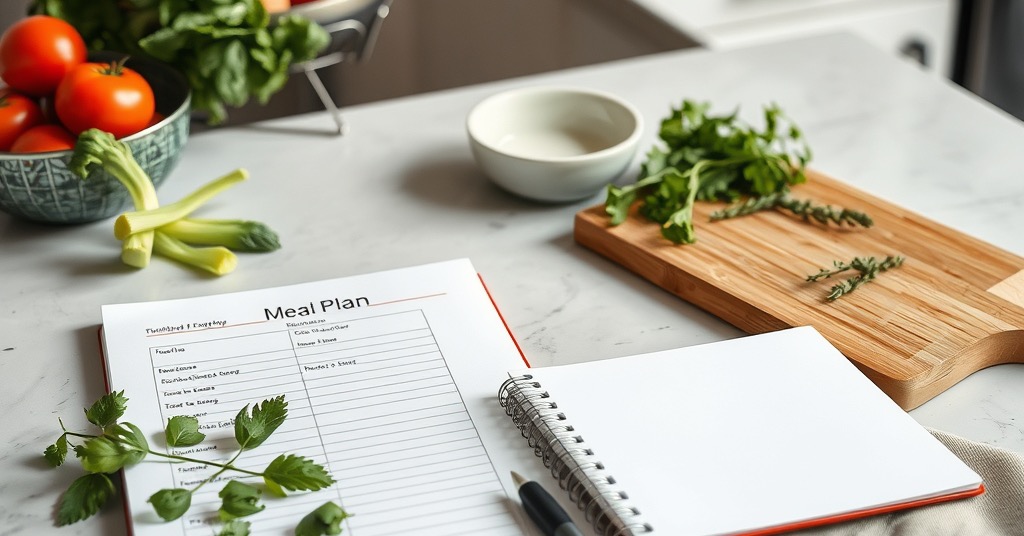
A good meal planner should do one thing well: take the decision fatigue out of what you're eating this week. In practice, most apps fall short of that. They're either too complicated, too limited in their free tier, or they don't solve the actual problem — which is the shopping list.
Here's an honest look at the best free meal planner apps available in 2026, what each one is good at, and where each one falls short.
What to Look for in a Meal Planner
Before getting into the list, here are the features that actually matter:
- Weekly grid view: being able to see the whole week at once (Mon–Sun, breakfast/lunch/dinner) is essential for real planning.
- Automatic shopping list: manually writing a shopping list defeats the purpose. The app should generate it for you.
- Ingredient combining: if two recipes use garlic, the shopping list should say '6 cloves' not 'garlic' twice.
- Recipe library: you want to plan from recipes you actually want to cook, not just generic suggestions.
- No paywall on core features: if the shopping list is behind a paywall, it's not really a free meal planner.
Plan your week and the shopping list writes itself
Start the free meal planner →1. Culinse — Best for Shopping List Generation
Culinse (culinse.com) takes a different approach from most meal planners. Instead of a recipe database you have to use, it pulls recipes from multiple sources (Spoonacular, MealDB, Edamam, Tasty) so you're working with a huge variety. You plan your week in a 7×3 grid and the app automatically generates a combined, categorized shopping list.
- Free tier: recipe discovery and saving recipes.
- Pro (€4.99/mo): full week planner, auto shopping list, collections.
- Best for: people who want a clean planning interface and a proper shopping list.
- Works in the browser — no app download needed.
2. Mealime — Best for Dietary Preferences
Mealime is one of the most polished meal planning apps available. It asks for your dietary preferences upfront and then suggests weekly menus based on them. The free tier is fairly generous.
- Free tier includes a limited recipe library and basic planning.
- Shopping list is included but less customizable.
- Best for: people who want curated suggestions rather than open-ended browsing.
- Paid tier unlocks more recipes and customization.
3. Paprika — Best for Recipe Clipping
Paprika is technically a recipe manager, not a meal planner, but the meal planning module is solid. The killer feature is the browser extension that lets you clip recipes from any website.
- One-time purchase (~$5), not a subscription.
- Recipe clipping from any URL is the standout feature.
- Shopping list is good but doesn't combine ingredients across recipes as well as dedicated tools.
- Best for: people with large recipe collections who want to plan from their own saves.
4. Google Sheets — Most Flexible (DIY)
For people who want full control, a custom Google Sheets template beats most apps on flexibility. You can build exactly the planning view you want.
- Completely free.
- No automatic shopping list — you build what you build.
- High setup effort, but once it's built it's yours.
- Best for: people who like to customize everything and don't mind the setup time.
5. Plan to Eat — Best for Families
Plan to Eat is aimed at families and serious home cooks. It's well-designed and the drag-and-drop calendar is satisfying to use.
- Free trial for 30 days, then paid only.
- Shopping list is excellent — one of the best implementations.
- Best for: families planning multiple meals per day, not casual solo planners.
Which One Should You Use?
It depends what you're optimizing for:
- Just getting started with meal planning → Mealime or Culinse. Both are easy to use without setup.
- You want to plan from your own recipes → Paprika.
- Shopping list is the priority → Culinse or Plan to Eat.
- You want full flexibility → Google Sheets.
- Family with complex needs → Plan to Eat.
Most people try two or three before sticking with one. The best meal planner is ultimately the one you'll actually use consistently — and that usually means the one that makes the shopping list easy.