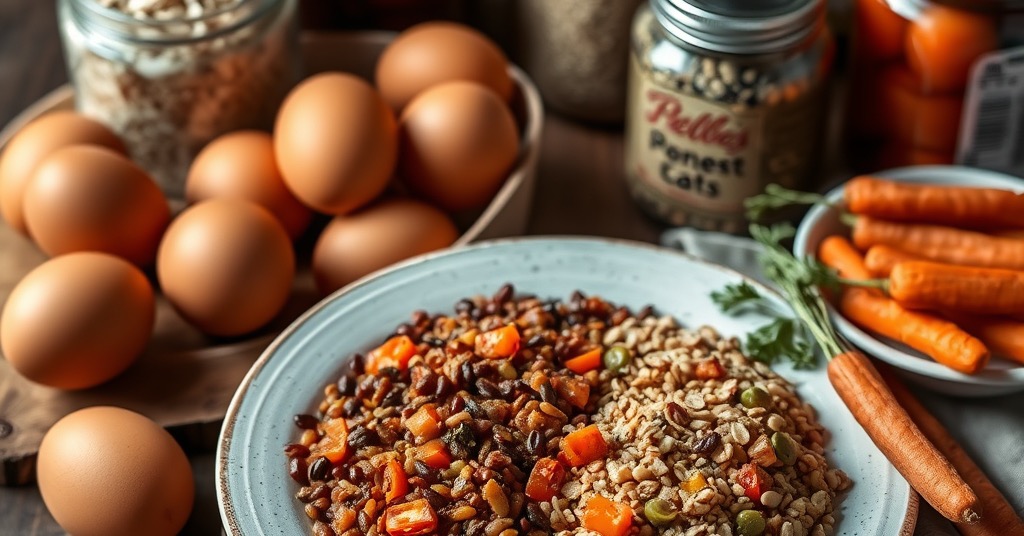
Eating well on a tight budget isn't about clipping coupons or living on plain rice. It's about knowing which cheap ingredients deliver the most nutrition, cooking in a way that stretches them, and wasting as little as possible. Done right, healthy food is often cheaper than the processed and takeout options it replaces. This guide covers the budget staples worth building around, 25 meals that come in under roughly $3 a serving, a weekly grocery plan, and the habits that keep your food bill — and your waste — low.
How to eat healthy on a tight budget
The core principle is simple: build meals around inexpensive, nutrient-dense staples and treat pricier items like meat as an accent rather than the centerpiece. A bag of dried lentils, a dozen eggs, a sack of oats, and a few cans of beans cost very little and form the backbone of dozens of meals. Three habits do most of the work. First, cook from scratch — pre-made and convenience foods carry a steep markup for very little nutritional benefit. Second, buy in larger quantities for staples you'll use up (rice, oats, dried beans, frozen vegetables), since the per-serving cost drops sharply. Third, plan before you shop, so you buy what you'll actually cook and nothing rots in the drawer. That last one is the single biggest money-saver, because wasted food is wasted money.
Budget staples that stretch
A handful of cheap ingredients punch far above their price and turn up across countless meals:
- Dried beans, lentils, and chickpeas — protein and fiber for pennies a serving; the backbone of budget cooking.
- Eggs — cheap, complete protein that works at any meal.
- Oats — breakfast for cents; also bulks out other dishes.
- Rice and pasta — filling carbohydrate bases that store forever.
- Frozen vegetables — as nutritious as fresh, cheaper, and zero waste since you use only what you need.
- Canned tomatoes — the base for sauces, soups, stews, and curries.
- Potatoes — versatile, filling, and among the cheapest foods by calorie.
- Cabbage and carrots — hardy, cheap vegetables that last for weeks.
- Peanut butter and seasonal produce — affordable flavor and nutrition.
What does your shopping cost? Check it in 30 seconds
Open the free grocery calculator →Build your shopping list around these and the per-meal cost stays low almost automatically.
25 cheap healthy meals by category
Each of these lands around or under $3 per serving when cooked at home, depending on local prices. Breakfast first:
- Overnight oats — oats, milk, frozen berries; pennies per bowl.
- Veggie scramble — eggs with whatever vegetables need using up.
- Banana oat pancakes — banana, oats, egg; three cheap ingredients.
- Peanut butter banana toast — fast, filling, inexpensive.
- Savory oatmeal with an egg — surprisingly good and very cheap.
Lunch
- Lentil soup — lentils, carrot, onion, canned tomato.
- Bean and rice burrito bowls — beans, rice, frozen corn, salsa.
- Egg fried rice — leftover rice, egg, frozen vegetables.
- Chickpea salad sandwich — mashed chickpeas instead of tuna.
- Baked potato with beans and cheese — hearty and dirt cheap.
- Pasta with garlic, oil, and frozen peas — minimalist and tasty.
Dinner
- Lentil bolognese — red lentils in place of mince, over pasta.
- Vegetable and bean chili — freezes well, feeds several meals.
- Stir-fried rice and vegetables with egg — clears the fridge.
- Baked potatoes with toppings — beans, cheese, or leftover chili.
- Tomato and white bean stew — canned beans, canned tomato, herbs.
- Cabbage and noodle stir-fry — cheap, fast, satisfying.
- Dahl with rice — lentils, spices, a true budget classic.
- Shakshuka — eggs poached in spiced tomato sauce, with bread.
- Potato and chickpea curry — filling, warming, very low cost.
Batch / freezer
- Big-batch vegetable soup — uses up odds and ends, freezes well.
- Three-bean chili — make once, eat all week or freeze.
- Lentil curry — scales up easily and freezes in portions.
- Bolognese sauce — double it and freeze half.
- Breakfast burritos — wrap, freeze, reheat on busy mornings.
A weekly grocery plan that keeps it cheap
Here's how a budget week comes together with overlapping ingredients, so nothing is bought for a single use. Shop once, with a list: buy your staples — a sack of rice, dried lentils, oats, a few cans of beans and tomatoes, a dozen eggs, a bag of frozen vegetables, potatoes, onions, carrots, and one or two seasonal fresh items — plus a small amount of cheese or yogurt for variety. Cook with overlap: use the lentils for both soup and bolognese; the beans for burrito bowls, chili, and a stuffed baked potato; the eggs across breakfasts and fried rice; the rice as a base for several dinners. Each ingredient earns its place by showing up in more than one meal. Batch the freezer meals early: make a pot of chili or soup at the start of the week and freeze half. On the busiest evenings you reheat instead of cooking, which is exactly when most people reach for expensive takeout. This is precisely the kind of planning Culinse automates: pick budget recipes, and it combines the ingredients into one shopping list with quantities tallied — so you buy the right amount once and avoid duplicate purchases. For an even tighter budget, our roundup of budget meals under 5 euros goes further on cost.
Cut food waste, cut costs
The cheapest ingredient is the one you don't throw away. Roughly a third of household food often ends up in the bin, and every bit of it is money lost. A few habits fix most of it. Store food properly so it lasts: keep herbs in water, freeze bread and anything you won't use in time, and keep your freezer working as a pause button for leftovers and surplus. Practice first in, first out — put older items at the front so they get used before they spoil. Plan a deliberate leftovers night or a fridge-clear-out soup each week to mop up odds and ends. And learn a few flexible base recipes (fried rice, soup, frittata, stir-fry) that happily absorb whatever needs using up. These habits quietly save more money than any single cheap recipe.
Conclusion
Eating healthy on a budget comes down to a repeatable system: build meals around cheap, nutrient-dense staples; cook from scratch; plan before you shop so you buy with overlap; and waste as little as possible. Do that, and $3-a-serving meals stop being a constraint and become the normal way you cook. Pick a few recipes from each category above, shop once with a list, and let the freezer carry you through the busy nights. Want the planning done for you? Culinse filters recipes by cost and turns your weekly picks into a single shopping list with tallied quantities. Pair it with our guide to the best free meal planner apps for 2026 to lock in the habit, and our meal prep for weight loss guide if you want budget eating and a calorie goal to work together.
FAQ
Common questions about cheap healthy eating:
- What are the cheapest healthy foods to build meals around? Dried beans, lentils, and chickpeas, plus eggs, oats, rice, pasta, frozen vegetables, canned tomatoes, potatoes, cabbage, and carrots. They're inexpensive, nutritious, store well, and appear across dozens of meals.
- Is it really cheaper to cook healthy meals than to buy convenience food? Usually, yes. Cooking from scratch with staples costs far less per serving than processed meals or takeout, which carry a big markup. The savings grow when you buy staples in bulk and waste less.
- How do I eat healthy on a very tight budget? Build meals around cheap staples, treat meat as an accent rather than the main event, plan meals before shopping, buy in bulk where it makes sense, and minimize waste with proper storage and a weekly leftovers night.
- How can I make cheap meals more filling? Lean on protein and fiber: beans, lentils, eggs, and oats are all cheap and very satiating. Adding a filling carbohydrate like rice or potatoes alongside keeps a low-cost meal satisfying.
- How do I stop wasting food and money? Store food properly, freeze what you won't use in time, follow first in, first out, and plan a weekly leftovers night. Flexible base recipes like soup, fried rice, and frittata are great for using up odds and ends.
This article is general information, not medical or nutritional advice. Prices vary by location and over time; figures are rough estimates.