SpanishCataloniaCakeBaked goodsVegetarianVegan
Pan de cristalVery Airy, Thin-Crusted White Bread
A Spanish classic from Catalonia (Barcelona): pan de cristal, the “glass bread”, is a fairly recent classic of the bakeries of Barcelona, made from a very wet dough with almost as much water as flour and only a trace of yeast. After a long, cold night in the refrigerator it bakes flat and very hot into a wafer-thin, glossy crust that shatters like glass when you bite into it, and a crumb that consists almost entirely of large holes. Makes 3 flat loaves of about 300 g each.
55
minutes
3
servings
5
Ingredients

Instructions
Mix the flour and 400 ml of water in the bowl of a stand mixer until no dry flour can be seen, and leave to swell, covered.
Dissolve the yeast in 40 ml of the remaining water, add it to the dough and work it in with the dough hook on low speed for 5 minutes. Add the salt, switch to medium speed and let the rest of the water run in in a thin stream until the very soft dough is glossy and comes away from the side of the bowl.
Finally knead in the olive oil briefly. Put the dough into a large, lightly oiled rectangular bowl or tin with a lid and leave it to rest, covered.
Stretch and fold the dough with wet fingers: pull one side up, lay it over the middle, turn the bowl and do the same with all four sides. Repeat this stretching and folding three more times at 30-minute intervals.
Put the dough, covered, in the refrigerator overnight, for 12 to 18 hours, until it has risen clearly and shows many bubbles.
On baking day, put a baking stone or an upturned baking tray on the middle shelf and an ovenproof dish on the oven floor, and preheat the oven to 250 °C conventional (top and bottom heat); leave the dough at room temperature in the meantime.
Flour the work surface generously, slide the dough out carefully without pressing out the air bubbles and flour the surface. Use a dough scraper to divide it into 3 long strips of about 25 × 10 cm, without shaping them, and lift each strip onto a piece of baking paper and stretch it lightly lengthways.
Slide the loaves with the baking paper onto the hot stone, pour 100 ml of boiling water into the dish and close the door immediately; keep your distance, because the hot steam shoots out. Bake with steam.
Open the door briefly to let the steam escape and finish baking the loaves until the crust is golden brown, thin and crisp.
Leave the loaves to cool completely on a cooling rack; the crust crackles as it does so and develops fine cracks.
Edited by Peter Hölzer, head chef and master butcher
Similar recipes
Culinse · 30 min
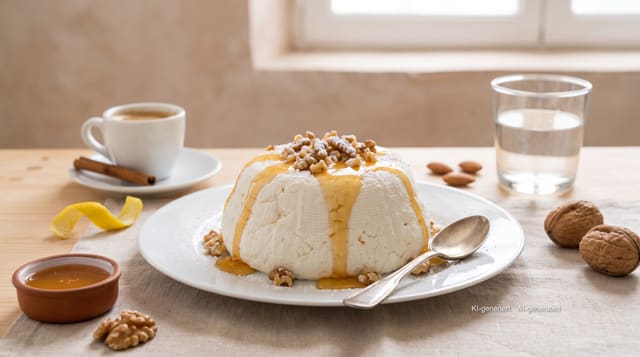
Mel i mató — Fresh Cheese with Honey and Nuts

Culinse · 60 min
Faves a la catalana — Broad Beans with Bacon, Butifarra and Mint

Culinse · 16 min
Pa amb tomàquet — Toasted Bread Rubbed with Tomato and Olive Oil
Culinse · 55 min
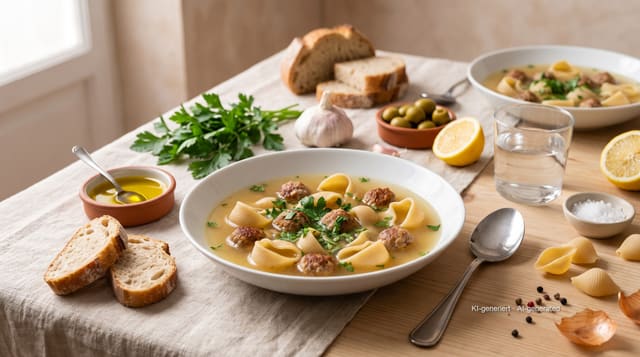
Sopa de galets — Broth with Large Shell Pasta and Meatballs

Culinse · 110 min
Zarzuela de pescado y marisco — Fish and Seafood Pot in Tomato and Brandy Sauce

Culinse · 70 min
Carquiñolis — Hard Almond Biscuits

Culinse · 120 min
Pollastre a la catalana — Chicken Braise with Dried Fruit and Pine Nuts

Culinse · 185 min