ChineseGuangdongBasic recipeVegetarianVegan
Lotus Seed PasteLianrong for Mooncakes and Yeast Buns
A Chinese basic recipe from Guangdong: Lianrong, literally ‘lotus velvet’, is the golden-yellow, glossy paste of lotus seeds that is considered the finest filling for mooncakes in Canton and tastes smooth, mildly sweet and slightly nutty. The seeds soak overnight, simmer soft for an hour and are then stirred in a pan with sugar and groundnut oil until the paste gleams silky and no longer sticks. It is needed for Cantonese Yuebing — mooncakes with lotus paste and salted egg yolk, for Bingpi Yuebing — snow skin mooncakes and for sweet yeast buns made from Baozi Yeast Dough — basic yeast dough for steamed buns.
135
minutes
1
servings
6
Ingredients

Instructions
Rinse the lotus seeds cold in a sieve, cover generously with water in a bowl and soak overnight.
Drain the seeds and break each one in two halves along the seam with your thumbnail. If there is still a green germ in the middle, push it out with a toothpick, because it makes the paste bitter.
Bring the seeds to the boil with 1 litre of fresh water in a pan, skim off the scum and simmer, half covered, over a low heat until they can be squashed to a purée effortlessly between two fingers.
Drain the seeds, catching about 150 ml of the cooking water. Purée the seeds very finely in a tall container with a hand blender, adding only as much cooking water as is needed for puréeing; for an especially fine paste, also press the purée through a fine sieve.
Put the purée with the sugar, the salt and a third of the groundnut oil into a large non-stick frying pan and bring to the boil over a medium heat, stirring, until the sugar has dissolved.
Turn the heat to low and keep pushing the paste across the base of the pan with a wooden spatula. As soon as it has taken up the oil and is getting thicker, stir in the second third of the oil, and later the last. Take care, the thick paste bubbles and spits very hot, so stir with a long spatula and keep children away from the hob.
The paste is ready when it gleams golden yellow, comes away from the base of the pan as a lump and no longer sticks when tapped with a clean finger; otherwise keep stirring for a few more minutes.
Spread the paste on a flat plate, cover it with cling film directly on the surface so that no skin forms and let it cool completely. Store in a clean, well-sealed tin in the refrigerator; cold it becomes even firmer and is easy to roll into balls.
Edited by Peter Hölzer, head chef and master butcher
Similar recipes

Culinse · 80 min
Lo Mai Gai — Sticky Rice with Chicken in Lotus Leaf
Culinse · 30 min
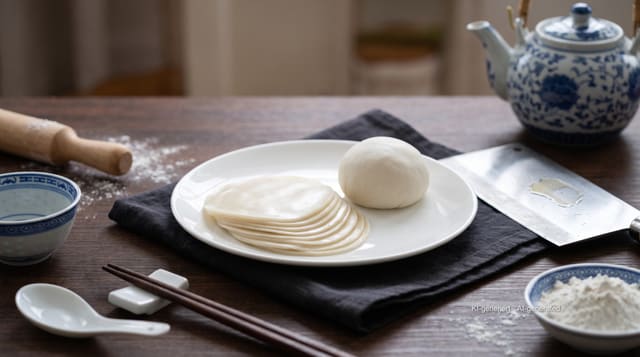
Dim Sum Dough from Wheat Starch — Translucent Wrapper for Har Gow

Culinse · 20 min
Cantonese-Style Ginger and Spring Onion Sauce
Culinse · 80 min
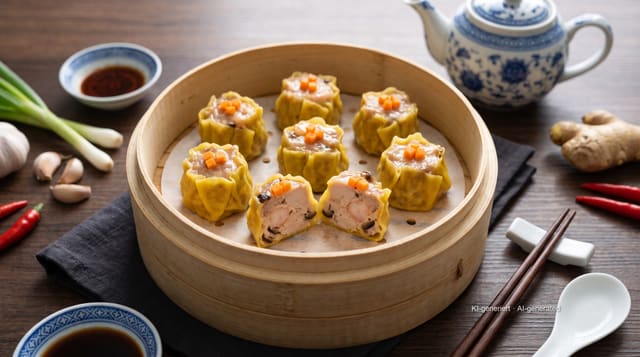
Cantonese Siu Mai — Open Dumplings with Pork and Prawns
Culinse · 80 min
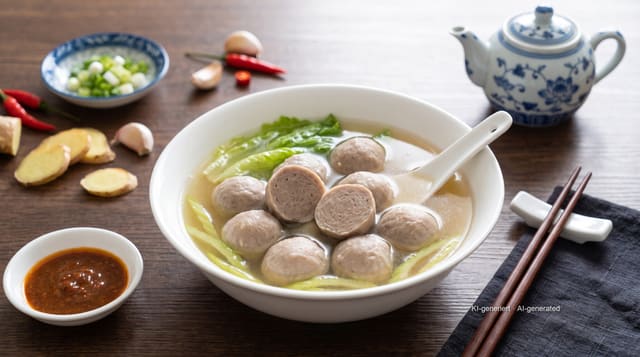
Chaozhou Niurou Wan — Beef Balls Chaozhou Style

Culinse · 65 min
Cantonese Char Siu — Glazed Roast Pork from the Oven
Culinse · 30 min
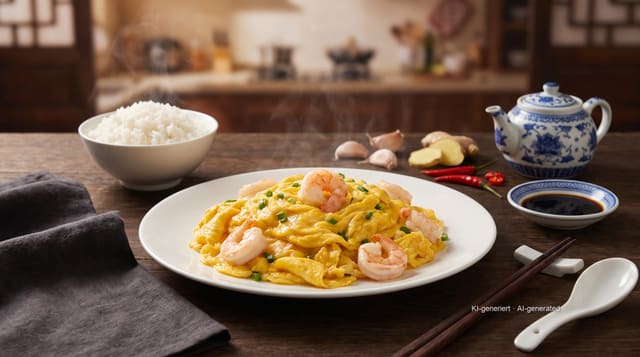
Huadan Xiaren — Prawns with Silky Scrambled Egg
Culinse · 55 min